
Luna Mace: A Journey Through Funeral Costs
Explore the darkly humorous and emotional journey of Luna Mace, a teenager grappling with the financial burdens of her mother's funeral costs. Discover the hidden costs of funerals, from shocking coffin ...
MONEY TRAUMA
Luna Mace
11/20/20256 min read
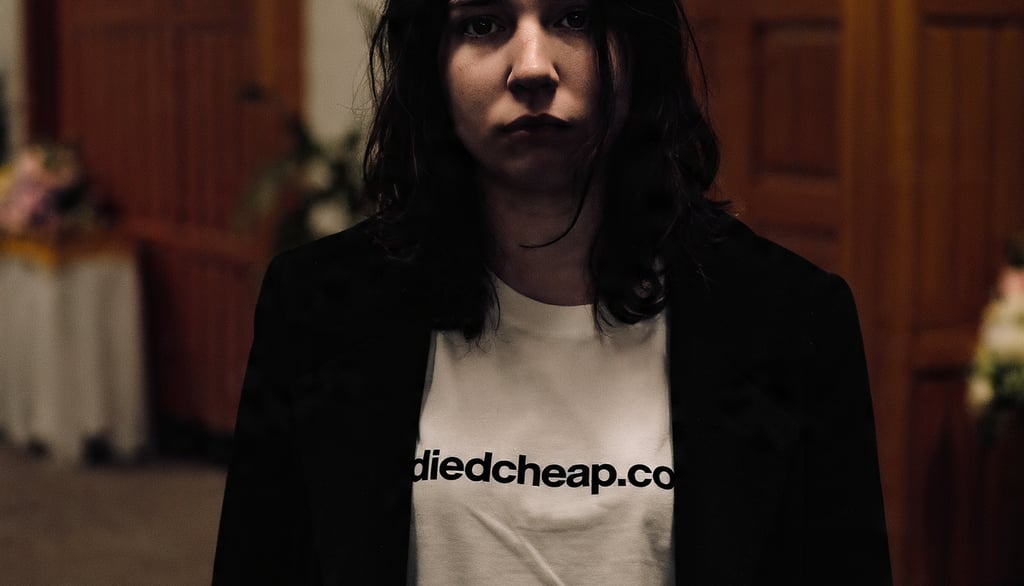
Part 4: A Year of Drowning
It’s been over a year since Mom passed, and some days it feels like I’m still waiting for her to walk through the door. The house is quieter now than ever, but the silence isn’t peaceful—it’s heavy, thick, like it’s pressing down on my chest every time I take a breath. Dad doesn’t talk much anymore. He doesn’t yell or cry openly, but I can see the weight in his shoulders, the hollow look in his eyes, the way he stares at bills on the counter for hours as if hoping they’ll just disappear.
Debt has a way of creeping in slowly. At first, it’s manageable. A late credit card payment here, a utility bill a few days overdue. You think, “We’ll catch up next month,” but a year in, it’s a mountain. A mountain made of unpaid balances, fees, phone calls, and that endless anxiety that never leaves. It sits with me when I wake up and follows me into the day, whispering that everything we’ve worked for is slipping through our fingers.
I remember the exact day it hit hardest. Dad came home from a job interview he had tried desperately to prepare for. I could see it on his face—hope, fatigue, and something darker. He had been out of work for six months by that point, each week more humiliating than the last. Each rejection chipped away at his pride. When he told me he didn’t get the job, he laughed nervously, like he was trying to make me believe it was fine, but I knew it wasn’t.
We went silent after that. I wanted to reach out, to comfort him, but he retreated to the kitchen and poured himself a drink. I sat on the couch, gripping my phone and scrolling through emails from creditors, seeing late fees on top of late fees, minimum payments doubled, interest rates climbing like a relentless tide. Every number on that screen felt like a nail being hammered into my chest.
It wasn’t just money—it was every part of our lives. The grocery bills kept creeping higher because every week we were forced to buy on credit just to make it through. The car insurance payment went unpaid one month, and suddenly a simple accident would have destroyed us. The rent on our apartment, which once seemed affordable, now felt like a trap. Every dollar we didn’t have carried a penalty, and every day the penalties grew heavier.
Dad started drinking more often, and I hated it. I hated the way he would slouch at the table with a glass in hand, muttering to himself, staring into nothing. I hated the smell of it in the house, the sound of ice clinking against glass. I hated the way it seemed to make him disappear right in front of me. Some nights, I would peek into the kitchen and watch him sit there, silent and defeated, staring at bills as if they were enemies he could never fight. I wanted to scream, to shake him, to make him see me, to make him see that we were drowning together. But I didn’t. I sat quietly, because I didn’t know what else to do.
The bills never stopped. Debt collectors began calling more frequently. At first, Dad would answer, pretending everything was fine. But soon, he stopped picking up. The calls were relentless, though. Sometimes I would answer them, my voice trembling as I tried to explain that he wasn’t home or that we needed more time. I learned phrases like “Can we negotiate a payment plan?” and “I need more time to pay.” Those words became my lifeline.
By the time the holidays rolled around that year, our situation had worsened. I remember looking at the calendar, realizing we were behind on every single bill. Every time I tried to make a plan, something else went wrong. A credit card limit was reached. The car needed repairs. A doctor’s visit that couldn’t be postponed. Each new expense was a reminder that we were barely holding on, and the weight of it pressed harder than ever.
Dad’s drinking grew more frequent. I’d find him sitting in his chair at 10 a.m., sipping whiskey with the morning news playing silently. Sometimes I would try to talk to him. “Dad, maybe we can make a plan together?” I would say. But most of the time, he would shake his head, mutter something about failure, and retreat deeper into the haze of alcohol.
It’s strange how debt changes everything. It’s not just about money; it’s about dignity, about pride, about every small joy you used to take for granted. I remember walking into the grocery store one day, holding a list, and realizing I couldn’t buy half the items because I had to ration our credit. Choosing between food and bills became routine. Each time I handed over the card, I felt a small part of me breaking, as if the universe was taking pieces of my soul in exchange for survival.
Even small things became terrifying. I remember getting a notice that our electricity would be shut off if we didn’t pay immediately. I called and begged for an extension, promising to pay next week. They agreed, but the fear stayed with me. Every flicker of the lights, every unusual sound in the house, made me panic. Debt doesn’t just take money—it takes peace.
And yet, life demanded that we keep going. School, work, responsibilities—all of it continued, indifferent to the chaos at home. I started working part-time to help cover bills, barely scraping by. Each paycheck was swallowed by debt before I even saw it. I began skipping meals so we could pay the minimum on credit cards. I remember sitting in my room at night, counting the few dollars I had left, thinking about how we could survive another week.
The emotional toll was even worse. I began feeling constantly exhausted, irritable, anxious. Simple tasks felt impossible. I would start cleaning the apartment, then stop, overwhelmed by the thought of the bills waiting for me. I would try to do homework, but my mind kept drifting to the number of overdue notices in the mail. Debt became a living, breathing thing in our home, an invisible force suffocating every part of life.
Dad, too, suffered. I watched him spiral as his pride and identity eroded. He would sit in the living room, glass in hand, muttering that he had failed us, that we would never get out of this. He lost sleep, lost friends, and slowly, I think he lost himself. The man who once taught me how to ride a bike, who cheered at my school plays, who comforted me when I was sick, became a stranger. Some days, I barely recognized him.
I tried talking to him, trying to get him to see that drinking wasn’t a solution, that we could fight this together. But he was trapped in his own shame, too heavy to lift. I remember one night, sitting across from him at the kitchen table, tears streaming down my face. I begged, pleaded, and offered ideas for repayment plans, budgeting strategies, even assistance programs. But he just shook his head and took another sip, and I felt more powerless than ever.
By this point, the stress of debt had invaded every corner of our lives. Arguments were constant. Tension hung in the air like smoke. Dad would snap at me for small things—leaving a dish in the sink, forgetting to sort the mail. I would snap back, exhausted and angry, but mostly scared. Fear became our constant companion: fear of the next bill, fear of eviction, fear of losing each other.
Sometimes, I would lie awake at night and imagine what life would be like if we had never fallen behind. If Mom had still been here. If Dad hadn’t started drinking. If the bills had been manageable. It was like imagining a life in another universe—a life that existed only in dreams.
And yet, in the midst of all this chaos, I knew I had to survive. I had to find a way to reclaim control. I began reading everything I could about debt, about budgeting, about surviving financial crises. I made spreadsheets, contacted debt counselors, and even reached out to family members I hadn’t spoken to in years. Each small step was a battle, but each small step felt like progress.
Even though a year had passed since Mom died, I felt like we were still mourning—not just her, but the life we had, the stability we lost, the peace of mind that debt had stolen from us. Debt had become more than money—it had become the story of our lives, a heavy, relentless narrative we couldn’t escape.
And yet, somewhere in the exhaustion and despair, I realized something. Debt didn’t have to define us forever. It was brutal, cruel, and overwhelming, but I was learning how to fight. Every spreadsheet, every phone call, every strategy was a small victory. Every time I helped Dad pay a bill or negotiate with a collector, I felt a glimmer of hope.
Even in the depths of despair, I clung to the thought that one day, maybe, we could breathe again. One day, maybe, we could be free of this invisible monster that had haunted our lives for a year. And I promised myself I would keep fighting—for Mom, for Dad, and for me.
Look, I’ve spent enough nights staring at bills and coffin invoices to know the funeral industry will happily bleed you dry while you’re still grieving. If you’re stuck in the same nightmare I was, and you want a casket that doesn’t make your wallet cry harder than your heart, check out Discount Caskets. Trust me — some things should cost less than a lifetime of regret.