
Holiday Parenting Tips: Santa's Naughty or Nice List
insightful deep-dive into holiday parenting tips on naughty or nice list. Discover psychological insights on using Santa's 'naughty or nice' list to shape behavior without stress. This article blends storytelling and research to help parents raise kind, confident kids while keeping Christmas fun.
MINDFUL LIVING
Mrs. Claus
12/3/20254 min read
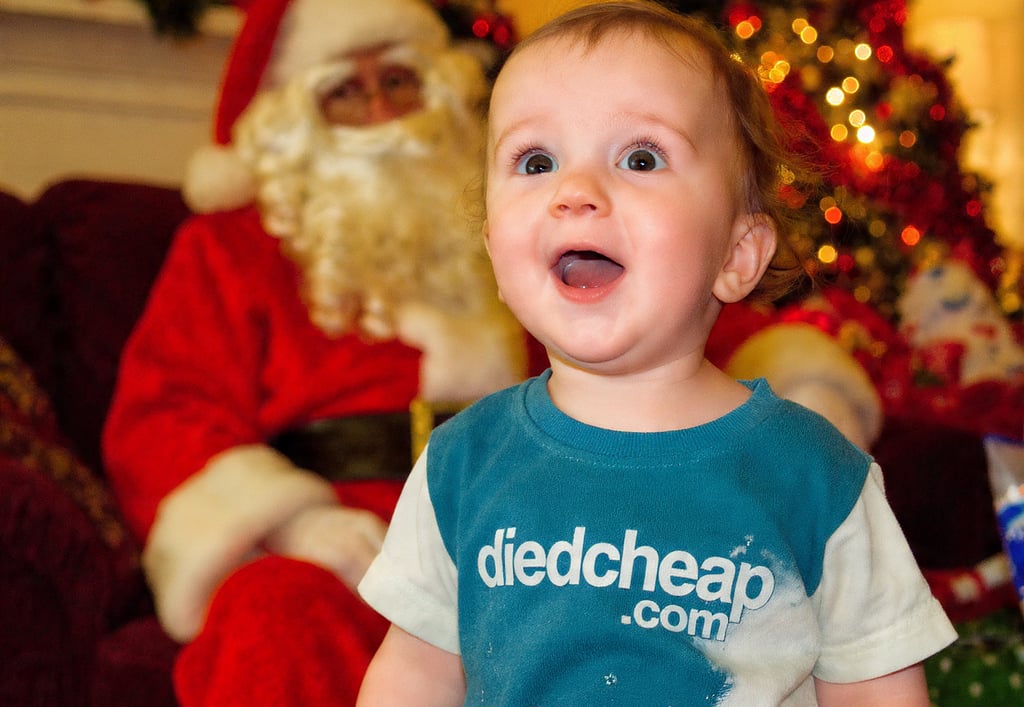
Santa’s List: Naughty or Nice – How to Keep the Magic Without the Stress
The holidays are supposed to be magical, right? Twinkling lights, peppermint-scented air, that warm cozy feeling… and somewhere in the middle, Santa Claus is silently judging your kids. Yes, the jolly man in red isn’t just delivering gifts—he’s running a psychological experiment in your living room. Specifically, it’s called the Naughty or Nice list. Parents often use it to “motivate” their children: be good, or risk getting coal. But there’s a lot more going on here than meets the eye.
The list might seem innocent—kids will pick up their toys, brush their teeth, or share with siblings if they believe Santa is watching. But psychology tells us that external motivation, like fear of being “naughty,” can work short-term but doesn’t always teach lasting self-control or responsibility. Kids might do what you say only because of Santa’s potential approval. Once the reward (or threat) disappears, so does the behavior.
Naughty or Nice? A Tiny Human’s Perspective
Take little Joey, six years old. He’s been mostly good all year but had a meltdown over sharing a toy at school. His parents jokingly tell him, “Uh oh, Santa might mark you naughty this year.” Suddenly, Joey starts calculating his actions: If I’m naughty, Santa won’t bring me the robot I want. Psychologically, he’s weighing impulses against a potential reward—an early lesson in behavioral economics, whether he realizes it or not.
Kids are smart. Too smart. They notice patterns. They figure out loopholes. My niece, for example, tried to bargain with Santa:
“Santa, I’ll be good for the rest of December if you still bring me the LEGO set I wanted last year.”
She’s six. And yes, she fully understood negotiation. That’s evolution in action, folks. If adults can haggle mortgages, credit cards, and utility bills, why shouldn’t kids try their own miniature deal-making?
The Psychology Behind Santa’s List
Developmental psychologists have studied punitive reward systems, and their findings aren’t always comforting. External rewards can temporarily motivate children, but they don’t necessarily create internalized moral behavior. That means if kids only behave for Santa, they might not develop empathy, responsibility, or generosity—they just avoid punishment.
Over time, children raised with fear-based motivators can develop anxiety around approval, constantly questioning, “Am I good enough?” or “Will I get caught doing something wrong?” That’s not exactly the Christmas spirit.
Instead, research shows that positive reinforcement works better for long-term behavioral habits. Kids who are praised for sharing, helping, or cleaning up are more likely to internalize those behaviors. Pair this with playful Santa traditions, and you get the magic without the stress.
Carol’s Christmas Experiment
Let me tell you about a friend, Carol. She’s a single mother of three, and every December she wrestles with the idea of the Naughty or Nice list. One year, she noticed that her oldest, 8-year-old Maya, was acting too cautiously. Carol realized it wasn’t natural kindness—it was fear of Santa’s judgment.
So Carol did an experiment. She re-framed Santa’s list not as punishment but as encouragement:
“Santa loves when kids share and help.”
“Santa notices when you try, even if you don’t get everything perfect.”
The results? Maya started helping her siblings without hesitation. She baked cookies with her brother without reminders. She even helped her mom clean up after dinner. No threats. No fear. Just gentle encouragement paired with playful magic.
Carol learned an important lesson: Santa can still exist in your home without being a behavior dictator. It’s about fun, excitement, and emotional growth—not intimidation.
Naughty vs Nice by Age
Different ages respond differently to the Naughty or Nice messaging:
Toddlers (2–4): They don’t fully understand consequences. Santa can be used for fun stories and simple encouragement, not for serious behavior management.
Early elementary (5–7): Kids start noticing patterns. They may behave to earn gifts. Use playful nudges instead of threats.
Tweens (8–12): They begin questioning Santa and testing boundaries. Focus on internal motivation and discussion about giving, sharing, and kindness.
Teens (13+): They mostly understand Santa is symbolic. Use the season for family bonding and moral lessons, not behavior correction.
Tips for Parents: Keeping Santa Fun Without the Fear
1. Shift From Punishment to Encouragement
Instead of “If you’re naughty, no gifts,” say:
“Santa loves when kids share and help!”
Focus on excitement and joy, not fear of punishment.
2. Praise Specific Behaviors
Generic praise like “Good job” is fine, but specific praise works best:
“I loved how you shared your toy today—that made your sister happy.”
This links behavior to empathy, not just reward.
3. Keep the List Playful
Avoid rigid tracking: “Santa saw you fight three times today, that’s two strikes!”
Instead, use humor and storytelling: “Santa is juggling lots of lists, he might need a bigger clipboard!”
4. Mix Rewards with Reflection
After good deeds, ask: “How do you think your actions made someone feel?”
This develops moral reasoning rather than fear-based compliance.
5. Focus on Experiences, Not Just Gifts
Baking cookies together, making ornaments, or watching a holiday movie can feel more rewarding than material presents.
Experiences teach values without the pressure of perfect behavior.
The Science of Fun vs Fear
A 2018 study on behavior-based rewards found that kids who were only motivated by external rewards were less likely to act kindly when unsupervised. Meanwhile, children who received positive feedback and encouragement showed consistent prosocial behavior even when the reward was absent.
In simple terms: don’t scare your kids with Santa. Teach them joy, empathy, and generosity instead. Santa should be a symbol of wonder, not a strict enforcer.
Funny Reality Check
Kids also have a way of calling your bluff. One 7-year-old said:
“Mom, if Santa is real, why does he only know about the toys I want? Does he read my emails?”
Exactly. Kids are not only smart—they’re skeptical. And that’s fine. They’ll still believe in the magic, but they also develop critical thinking, which is way more useful than a strict Naughty or Nice rule.
Bottom Line
Santa is fun, not a punishment tool.
Encourage behavior with playful messaging, not threats.
Praise specific actions and link them to empathy.
Focus on experiences, not just gifts.
Keep the magic alive, but keep it gentle.
If you follow these tips, your child will:
Feel loved and guided
Learn prosocial behavior
Enjoy the holiday season without stress or fear
Santa isn’t just a gift-bringer. He’s a teacher. Make sure he teaches joy, generosity, and fun, not guilt and fear.
Suggested AdSense Keywords: parenting tips, child psychology, behavior motivation, holiday parenting, Santa Claus, family Christmas, frugal Christmas, positive parenting, child development.